La Garita
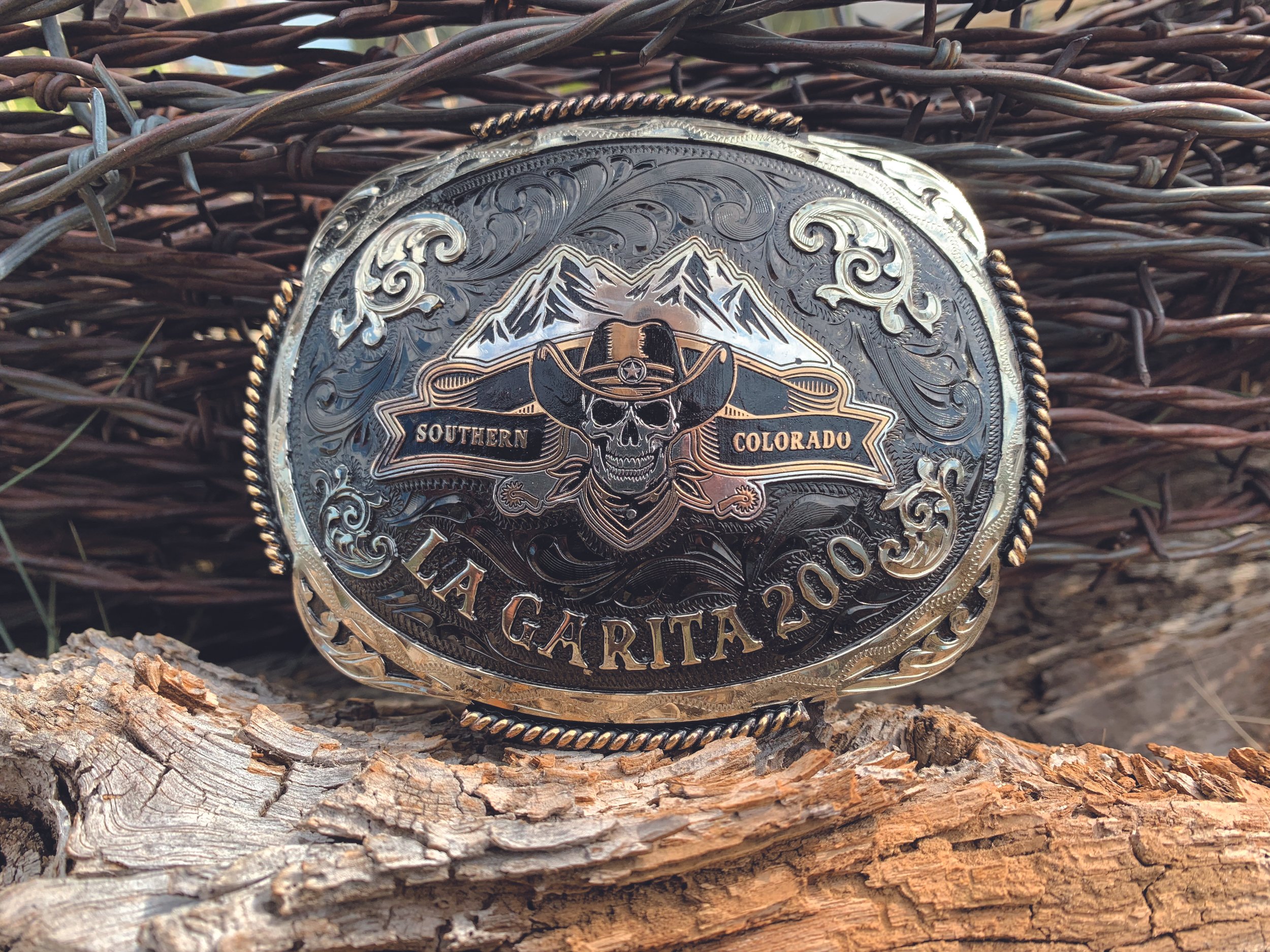
The name La Garita is derived from Spanish meaning “the lookout” or “the watchtower”. During the settlement era, after the removal of the Ute people, the area saw increased use by Hispanic herders from southern Colorado and northern New Mexico. They drove livestock such, as sheep and cattle, along numerous routes including the La Garita Stock Driveway (a 92 mile trail still used today for livestock and recreation). The name La Garita originates from historical overlooks used by the herders and travelers to monitor the livestock and scout the landscape.
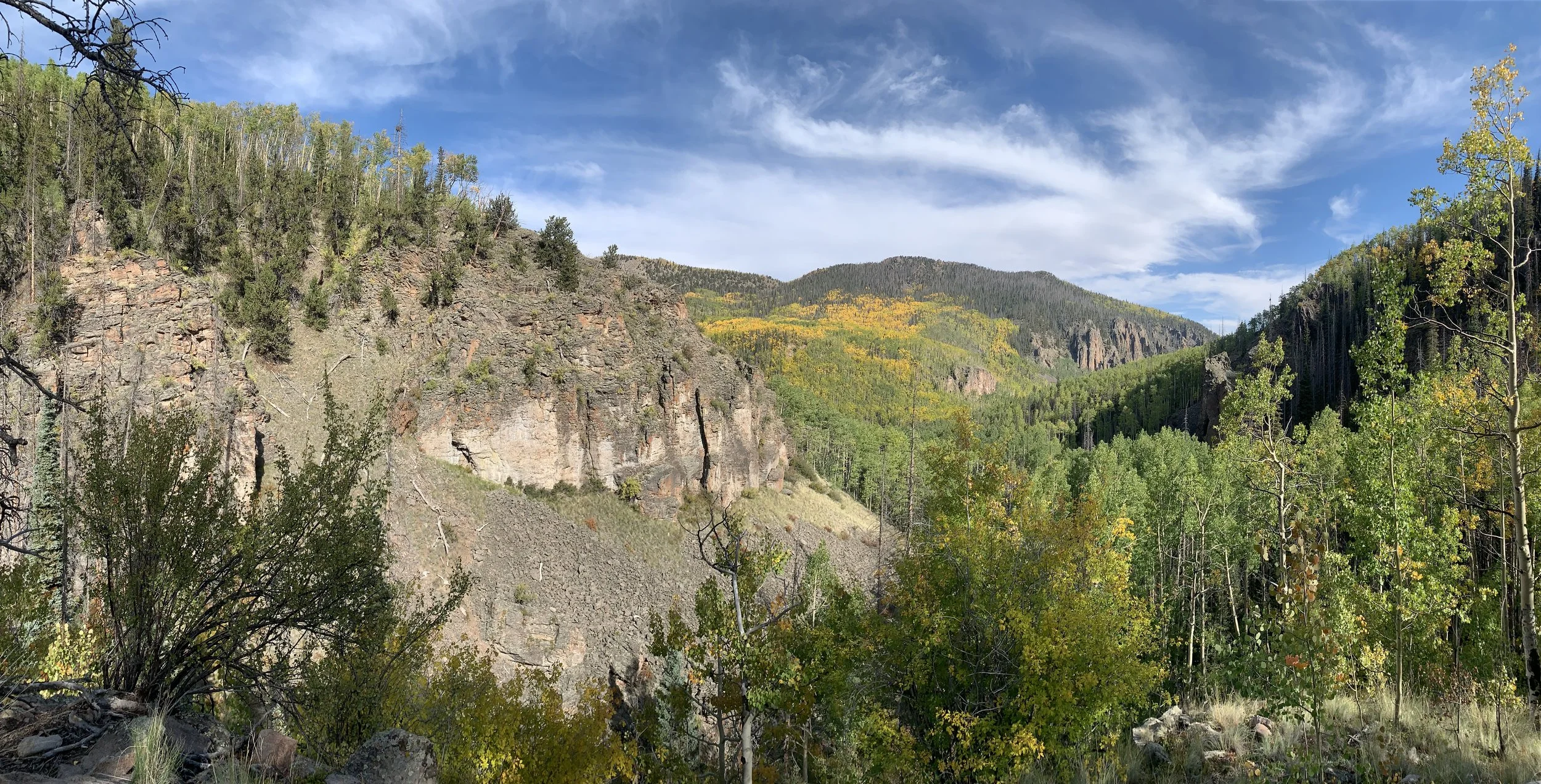
From the La Garita Mountains, you can look south across the upper Rio Grande Valley and east across the San Luis Valley. The range includes montane and subalpine forests and meadows and alpine tundra; providing ideal habitats for elk, mule deer, moose, bear and many other creatures.
But before the beautiful landscapes that we see today, there existed a harsh, volatile and destructive environment composed of hundreds of volcanoes. The rocks we see today are from eruptions occurring 35 million to 26 million years ago. The volcanoes have been erased from today’s landscape due to a supervolcano erupting 28 million years ago. This eruption was 10,000 times more violent than Mount St. Helens and possibly the largest single eruption in history. It produced enough lava and ash to fill Lake Michigan. As the supervolvano erupted, it emptied and collapsed into itself leaving behind the La Garita Caldera; an enormous hole twice the size of LA. The Wheeler Geologic Area is the prime site to visit offering you a glimpse into the La Garita Mountians extreme past.